Textmode Field Guide
ANSI Art Gallery and BBS Archive
Learn how ANSI art used CP437 characters, terminal colors, and escape sequences, then explore original BBS-era artwork by artist, group, and release.
ANSI art is textmode artwork built for character-cell displays. Artists combined IBM code page 437 glyphs, a compact color palette, and terminal control sequences to make illustrations that could travel through bulletin-board systems as ordinary files.
What makes ANSI art different
An ANSI file contains more than a picture made from keyboard characters. Escape sequences can change foreground and background colors, move the cursor, clear regions, and rewrite cells. Replaying those instructions is part of rendering the work faithfully.
Ascii Gallery preserves that terminal behavior in its focused viewer. The archive also retains filenames, releases, artist credits, group relationships, SAUCE metadata, fonts, dimensions, and iCE color behavior when those records are available.
CP437, color, and the textmode canvas
IBM code page 437 supplied blocks, shades, line-drawing characters, and symbols that became the visual vocabulary of DOS textmode art. On an 80-column terminal, those glyphs could be assembled into typography, figures, interfaces, and large scrolling illustrations.
Traditional ANSI displays used sixteen foreground colors and eight background colors. Later iCE color conventions traded blinking backgrounds for sixteen background colors, which is why accurate rendering needs both palette and metadata awareness.
How artwork moved through BBS culture
Artists commonly distributed work in monthly or themed artpacks. Groups gathered individual files, advertisements, information files, member lists, and loaders into releases that circulated between bulletin-board systems.
The relationships between artwork, artist, group, and release are therefore part of the work's context. Use the archive links below to move from a rendered piece into the scene history around it.
Rendered from the archive
Featured artwork
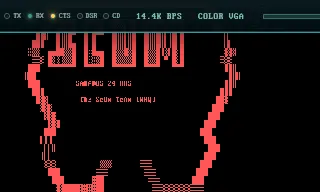
ANSI1997
MA-SCUM.ANS
marciano
scum team · ansis3View in terminal →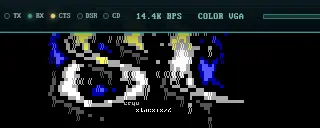
ANSI1997
staesis/2
cryogenic
force · force-19View in terminal →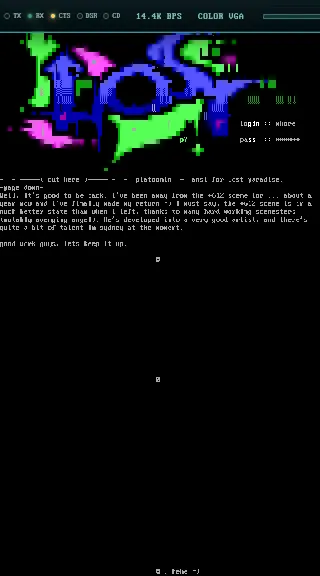
ANSI1999
P7-LOST.ANS
platoonim
Locus Art Productions · locus-05View in terminal →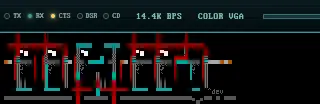
ANSI1998
DEV-2MM8.ANS
dev
flange · flange02View in terminal →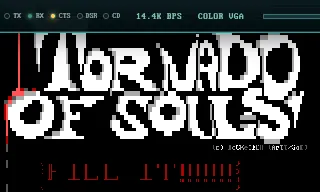
ANSI1995
TORNADO.ANS
untagged
Ansi Rip Traders Team · art1-952View in terminal →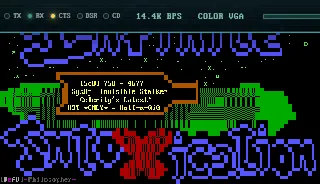
ANSI1992
INFITOX.ANS
philosopher
Damn excellent Arts Designers · deadView in terminal →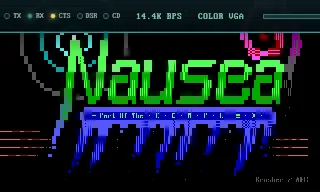
ANSI1993
KR-NAUS.ANS
krusher
Ansi FaCtory · afc-r5View in terminal →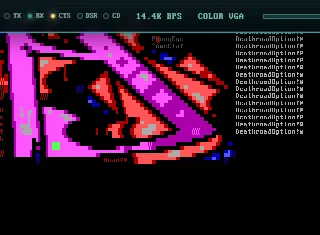
ANSI1998
Death Road
phonyeye
Creators of Intense Art · ciapak54View in terminal →ANSI1998
Death Road
phonyeye
Creators of Intense Art · cia54View in terminal →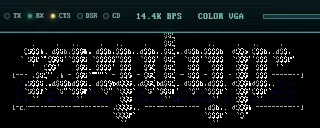
ANSI1996
CH-ZPH.ANS
cypher hex
tRANK!aSCii · trank-07View in terminal →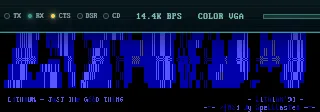
ANSI1993
LTM-0016.ANS
spellcaster
LiTHiUM · ltm-pak1View in terminal →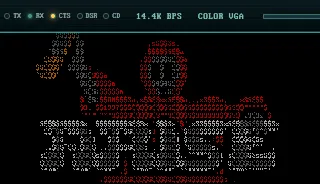
ANSI1997
ARS!ITJ.ANS
untagged
prozac · pro-0597View in terminal →